The Suspension File: Evidence Standards for UK Business Profiles Facing Reinstatement Review

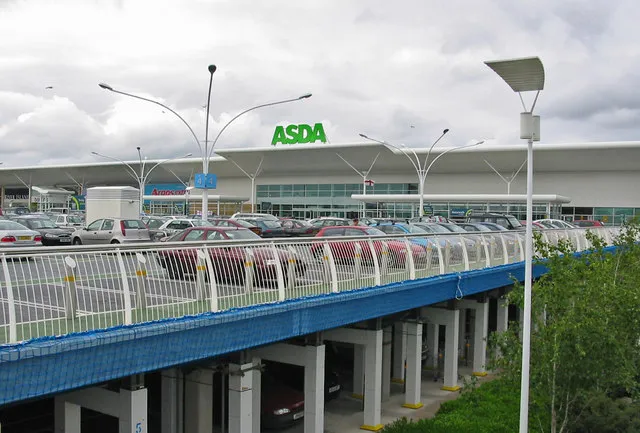
Photo: Daniel Capilla, CC BY-SA 4.0, via Wikimedia Commons
For a plumber in Leeds or a dental practice in Cardiff, the Business Profile is not one channel among many. It is frequently the largest single source of inbound calls. When it is suspended, the effect is immediate and brutal: the map presence disappears, the reviews disappear with it, and the enquiry volume falls off a cliff in the space of an afternoon.
The frustration is compounded by how little guidance accompanies the decision. Suspension notices are terse, appeals are reviewed by people who will not correspond with you, and the difference between a reinstatement and a second refusal often comes down to the quality of the file you submitted rather than the merits of the business.
What triggers suspension on UK listings most often
Three clusters account for the bulk of cases seen on this side of the Atlantic.
Address and location integrity. A registered office that is not staffed during stated hours, a serviced or virtual office used for a customer-facing business, or a location shared with several unrelated companies at the same postcode all invite scrutiny. Google's expectation is that the address reflects a place where the business actually operates and can be visited.
Naming. Appending descriptors, locations or keywords to the trading name — "Emergency Plumbing London 24HR" for a company registered as a different name — is one of the most reliable routes to suspension, and one of the easiest to avoid.
Change events. Ownership transfers, rebrands, category changes, bulk edits across a multi-location estate, and sudden review velocity spikes all correlate with suspensions. A listing that was stable for six years can be flagged within a week of a casual category amendment, so any change to a live profile deserves the same care as a first submission.
Other recurring causes include service-area settings that overlap heavily with another location in the same group, and a website whose contact page contradicts the address on the profile.
Assembling an evidence pack that survives first-pass review
The reviewer is looking for one thing: independent corroboration that the business exists, operates where it says, and is who it claims to be. Assume they will spend under two minutes on the file.
- Formation documents. Companies House records, a partnership agreement, or a sole trader's HMRC correspondence showing the exact name and address.
- A utility bill or tenancy agreement in the business name at the stated address, dated within the last three months.
- Photographs of the exterior with signage visible and legible, and of the interior with equipment, stock or staff in situ. A stock image or a photo of a door with no signage carries no weight.
- Licences and registrations relevant to the trade: gas safety registration, CQC registration for a clinic, a premises licence for hospitality.
- Insurance documentation naming the business and address.
Present them as a single, clearly labelled document — one PDF, ordered to match the address as written on the profile, with nothing redacted except account numbers and personal data not already public. Discrepancies in formatting, such as "Street" on one document and "St" on another, are not fatal, but unexplained discrepancies in the address itself are.
The submission itself
Keep the covering statement factual and short. State what the business does, where it operates from, whether customers can visit, and which document proves each point. Do not argue about visibility, do not speculate about the cause, and do not include marketing language. Address the most probable trigger directly if you know it — an old virtual office, a previous trading name — and show that it has been corrected. Correcting the underlying issue before appealing materially improves the odds; appealing an unchanged profile rarely does.
If the first attempt is refused, resist resubmitting the same pack. Refusals usually mean either a documentation gap or an unresolved compliance issue, and repeating the exercise simply consumes review capacity. Diagnose which, then return with a materially different submission.
Keeping enquiries alive while visibility is frozen
Recovery can take days or weeks, and a gap in the pipeline is expensive. In the meantime:
- Ensure the website's contact pages, opening hours and location details are accurate and machine-readable, since organic landing pages may now carry the whole burden.
- Confirm the business appears consistently across major UK directories and trade association listings; citations do not restore a profile, but they help a suspended listing recover cleanly once reinstated.
- Push paid local search and paid social to cover demand, and consider whether a temporarily heavier budget is cheaper than a fortnight of lost enquiries.
- Route calls through a tracked number so you can quantify the loss accurately and, later, demonstrate the value of the fix internally.
The pre-emptive audit
Every location in a group should be reviewed against the same short list: exact trading name in use; address genuinely staffed and able to receive customers where claimed; no virtual or serviced office; service-area boundaries that do not cannibalise a neighbouring branch; categories matching the primary revenue line; and a website contact page consistent with the profile.
Run that audit before an acquisition, before any bulk edit, and whenever a location's status changes. Suspension is rarely random, and almost every case examined in hindsight had a warning sign sitting in plain sight months earlier.